
How to open a jar
4.8/5 from 1,274 UK buyersBy the TwistFree UK team · Updated
A stubborn lid should not stand between you and lunch. Start with gentle methods, keep the glass safe and stop if your hands hurt.
Key points
- Dry the lid and use a rubber glove for grip
- Briefly warm an intact metal lid under hot tap water
- Weak grip? An electric opener does it for you
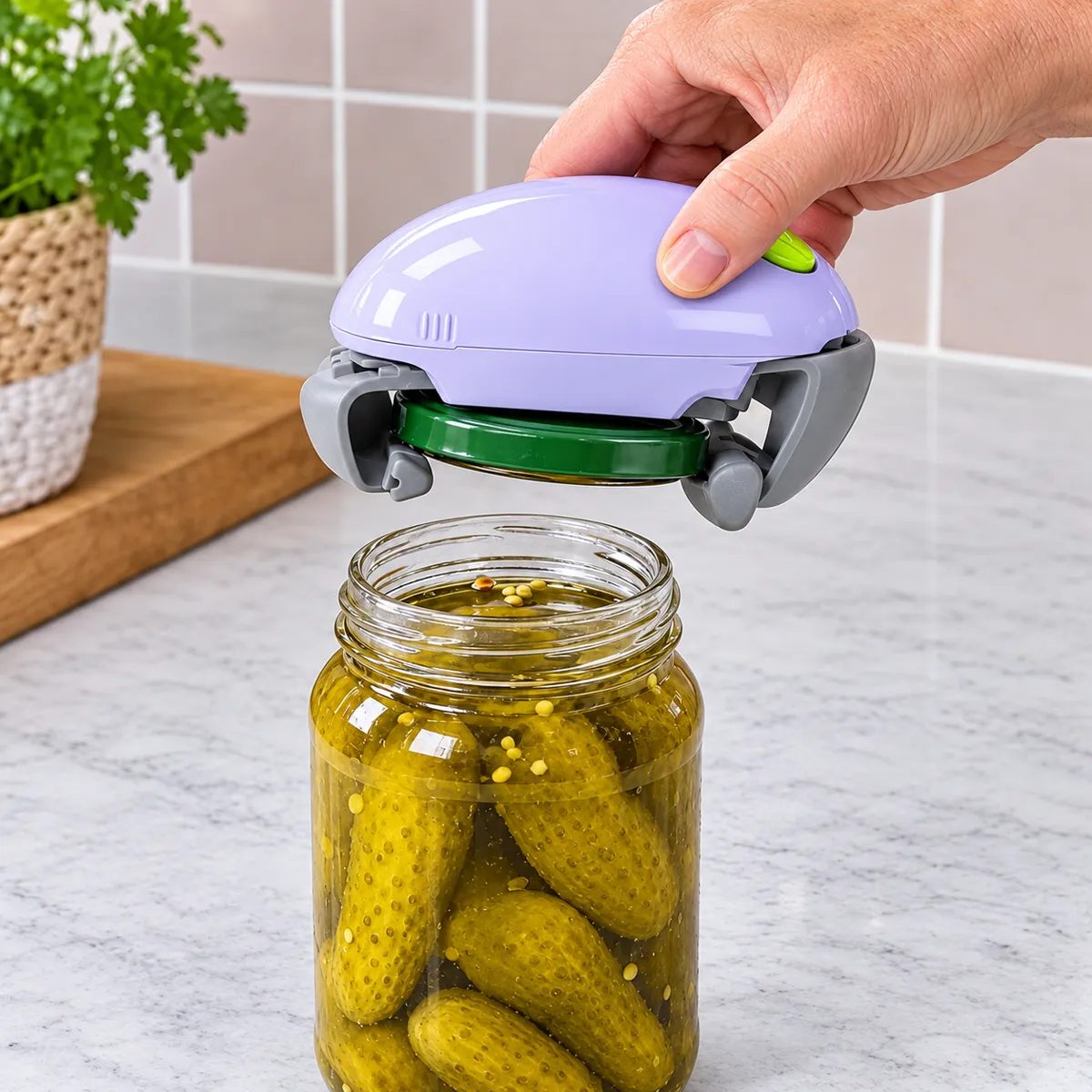
Before you start: check the jar
Put the jar on a dry, stable worktop, away from the edge. Check the glass for cracks or chips. Do not try these methods on damaged glass. If a food jar is leaking, bulging or has a raised safety button before opening, do not taste the contents to check whether they are safe.
These tips are for ordinary screw-top lids, not pressure containers, child-proof caps or corks. Most screw lids loosen anticlockwise when viewed from above. Dry your hands first. If a method needs painful squeezing, stop rather than trying harder.
10 methods for opening a jar
1. Tap the lid edge gently
For an intact metal lid, try a few very light taps around its outer edge with the handle of a wooden spoon. Keep every tap on the lid, never the glass rim. Dry the lid and try a gentle turn.
This is not a reason to hit harder. If the lid dents, the glass looks damaged or nothing changes, stop. A lid that opens afterwards may not reseal reliably if you have distorted it.
2. Use a spoon under the lid to release the seal
Some people ease the tip of a clean teaspoon beneath the overhanging edge of a metal lid and lift very slightly until the vacuum releases. This can damage the lid or chip the rim, so it is not a first choice.
Never force a spoon into a narrow gap, lever against the glass or substitute a knife. Skip this method if it needs pressure or your hands are unsteady. If there is any chance of glass entering the food, discard the contents.
3. Run hot tap water over the lid
Hold only the metal lid beneath comfortably hot running tap water briefly, then dry it thoroughly before trying again. Warmth may help the lid loosen. Keep your hands clear of water that feels too hot.
Never use boiling water or put a cold glass jar straight into hot water. Sudden temperature changes can crack glass. If holding the jar securely is difficult, skip this approach.
4. Try a rubber glove
A clean, dry washing-up glove can add friction between your hand and the lid. Hold the jar steady on a non-slip surface and turn gently. Make sure neither the glove nor the outside of the jar is greasy.
This helps with slipping, not with every tight seal. It still needs hand strength, so do not keep squeezing if your fingers or wrist hurt.
5. Use a dry tea towel
Fold a dry tea towel over the lid to give your palm a broader surface. Keep loose fabric clear of the jar base so the jar remains stable. Avoid a thick bundle that makes the lid harder to hold.
A tea towel is convenient, but it can still slip. Stop if you find yourself gripping harder without gaining control.
Prefer less gripping and twisting? See how TwistFree works.
From £24.75 each · Free UK delivery · 90-day money-back guarantee
6. Wrap a rubber band around the lid
Place a wide rubber band around the side of the lid, keeping it flat. Turn through the band rather than gripping bare metal. This may help on a smooth lid when your hands are dry.
Do not use a perished band or stretch one until it is likely to snap. Skip this method if fitting the band is fiddly or uncomfortable.
7. Tap the bottom carefully with a wooden spoon
This common suggestion is not suitable for fragile, chilled or damaged jars. If attempted at all, keep the jar upright and give the base only a very light tap with a wooden spoon while holding it securely.
Never strike the base hard or use metal. Glass can break, so a grip aid is a safer choice if you are unsure. Do not repeat unsuccessful taps with increasing force.
8. Try an upside-down knock only with great caution
Knocking a jar upside down is another familiar tip, but it risks damaging the glass. Avoid striking it against a worktop, floor or other hard surface. We recommend trying a grip aid instead.
If you choose to try it, keep the lid fitted and use only the lightest contact against a folded towel on a stable surface. Never do this with a chipped jar or an uncertain grip.
9. Use a jar gripper
A rubber pad or handled gripper can make the lid easier to hold. Choose one that fits, follow its instructions and keep the jar base steady. More leverage does not make damaged glass safe.
Manual aids still require some gripping and turning. Our jar gripper guide explains the options, while our electric versus manual guide compares the different approaches.
10. Use an electric jar opener
An electric opener handles the turning rather than relying on a stronger twist from you. Check the lid size and operating instructions first. Keep the jar upright on a stable surface.
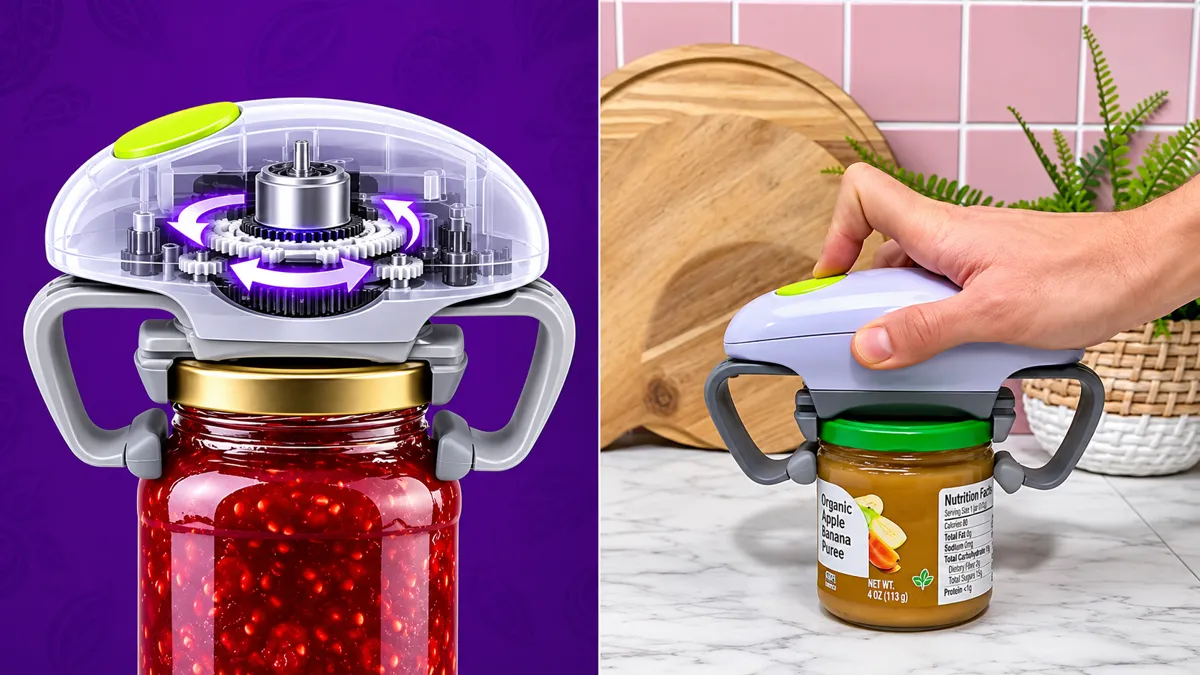
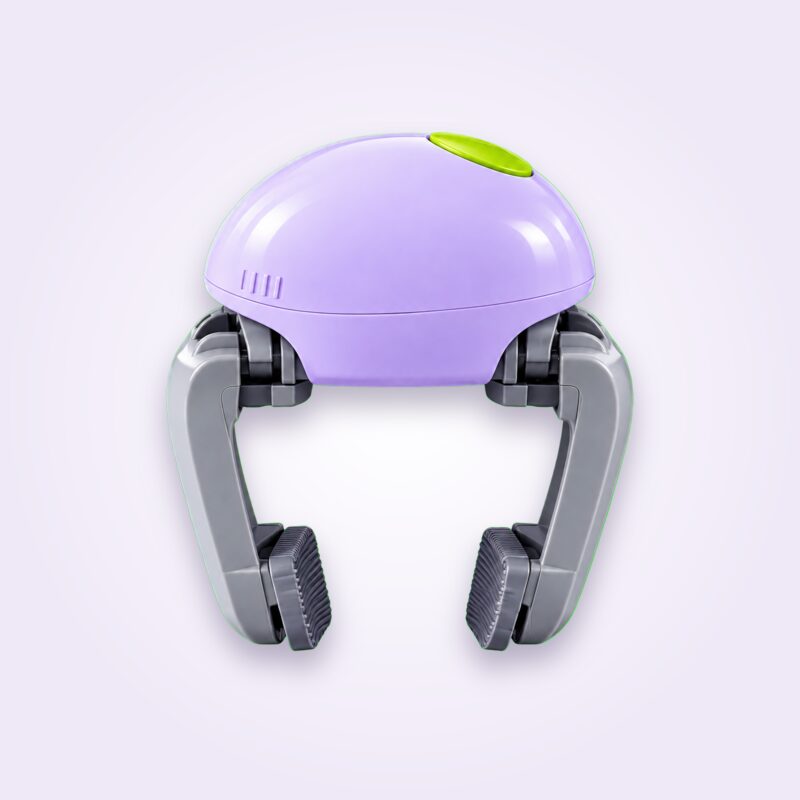
TwistFree opens screw-top lids measuring 3–9 cm with one button, in about eight seconds. It uses two AA batteries, which are included. It has no blades, but it is not for crown caps, corks, child-proof caps or lids over 9 cm.
How to open a pickle jar
Start by wiping away moisture from the lid and glass. A large pickle jar can be awkward to steady, so leave it on the worktop rather than holding it in the air. Try a rubber glove before tapping or levering.
Check the lid diameter before choosing an opener. Some pickle lids are too large for a particular device. TwistFree is suitable only when the screw-top lid measures 3–9 cm. Avoid tipping brine towards your hands as the lid comes loose.
How to open a jar with weak hands
Choose methods that ask less of your fingers, not ones that encourage a harder squeeze. A non-slip mat can help steady the base. If a manual aid still hurts, stop and ask for help or consider an electric opener.
TwistFree reduces the need to grip and twist; it is not a treatment for arthritis or other hand conditions. Read our jar opener guide for arthritis or our guide for older users. Persistent or worsening hand symptoms deserve advice from a healthcare professional.
Which method should you choose?
| Method | Useful when | Main limitation |
|---|---|---|
| Glove or towel | The lid is slippery | Still needs a manual twist |
| Warm tap water | An intact metal lid feels tight | Heat and glass need care |
| Manual gripper | You need a better hold | Still needs hand effort |
| Electric opener | You want less gripping and twisting | Must fit the lid and cap type |
Who these methods are for — and who they are not for
Gentle grip methods suit people who can hold an intact jar steadily. Electric assistance may suit those who find repeated twisting difficult, including someone buying a practical gift for a parent. Check that the recipient can comfortably position and lift the device.
These methods are not for damaged jars or suspicious food containers. Tapping, levering and hot water are poor choices for anyone with reduced sensation or an uncertain grip. There is no need to work through every method before asking for help.
The easy way: let the opener do the turning
If jars are a regular frustration, a dedicated opener may be simpler than another kitchen trick. TwistFree weighs about 340 g and reduces the need to grip and twist. See how it works before deciding.
One costs £39, with free tracked UK delivery in 3–5 working days and a 90-day money-back guarantee. TwistFree is sold only on the official site. For a particularly stubborn lid, read how to open a stuck jar first.
Make everyday jars simpler: explore TwistFree.
From £24.75 each · Free UK delivery · 90-day money-back guarantee
What UK customers say
"I have arthritis in both hands and haven't opened a jar on my own for years. I cried a little the first time. Brilliant."
"Bought the 2-pack, one for us and one for my mum. She rang me to say she opened a pickle jar herself. Worth every penny."
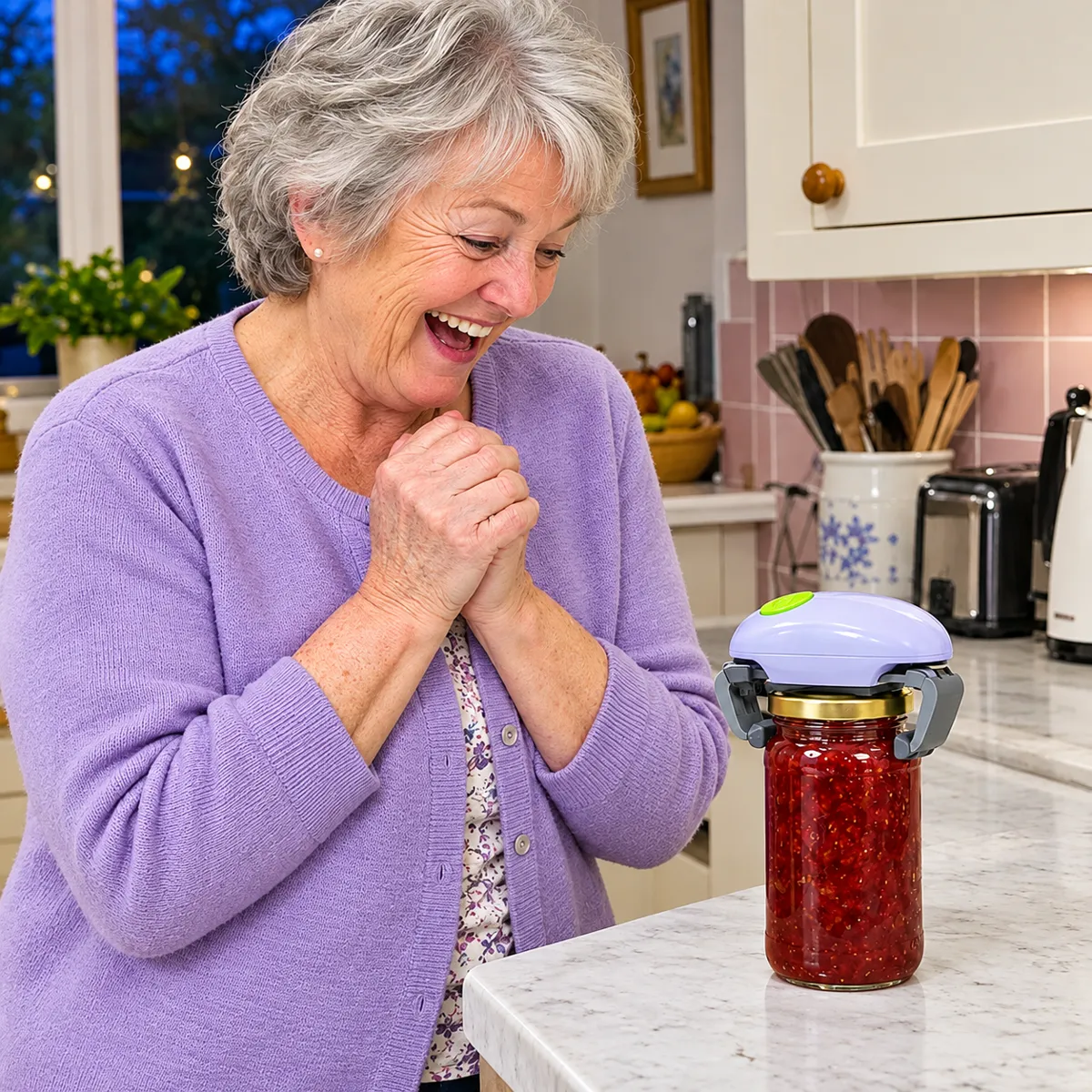
"Small, light and lives in my drawer. Opens jam jars my husband struggled with. Delivery took 3 days."
Questions people ask
What is the easiest way to open a jar?
Break the vacuum seal by tapping the lid edge, then twist with a rubber glove. With weak hands, an electric opener is easiest.
Why are jars so hard to open?
Jars are vacuum sealed when hot. As they cool the air pressure pushes the lid down, and sugar or sauce can glue the thread.
Get TwistFree today, up to 68% off
Free tracked UK delivery · Try it on your own jars for 90 days
 1 TwistFree£39.00 each
£39.00
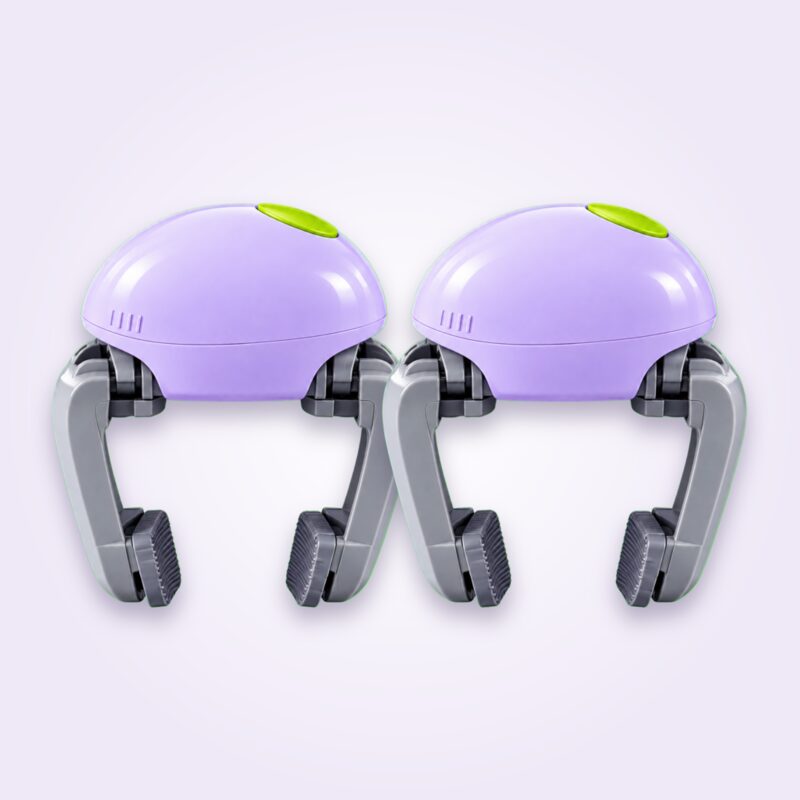 Most popular2 TwistFrees£29.50 each
£59.00
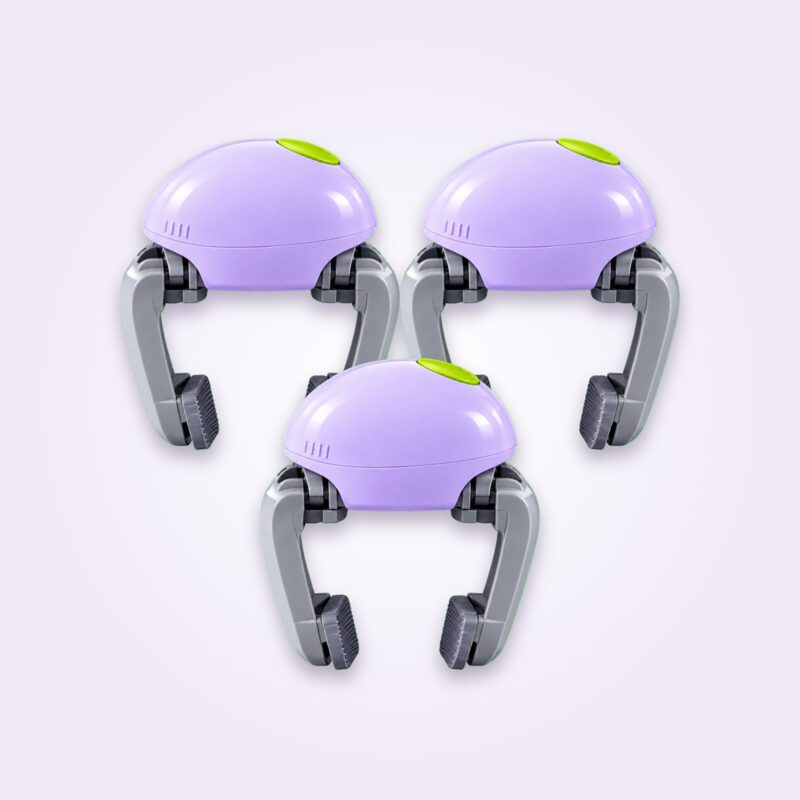 Best for gifting3 TwistFrees£26.33 each
£79.00
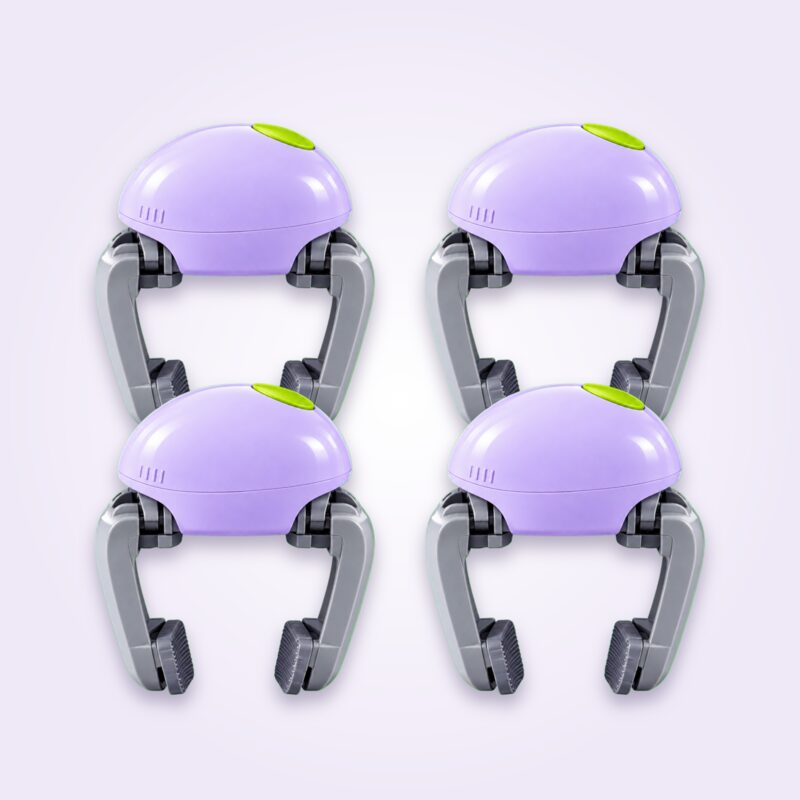 Best value4 TwistFrees£24.75 each
£99.00








Questions? Real UK support: support@twistfree.co.uk