
How to Open a Stuck Jar: 7 Easy Ways That Actually Work
4.8/5 from 1,274 UK buyersBy the TwistFree UK team · Updated
A tight lid needs a calm approach, not a stronger struggle. Work through these checks and gentle options, and know when to leave the jar alone.
Key points
- Release the vacuum and the lid usually turns
- Hot water loosens sticky sugar in the thread
- Never use a knife blade to prise a lid

7 easy ways to open a stuck jar
- 1
Rubber glove
Some gripDry the lid, put on a dish glove and twist firmly while holding the jar on a flat surface.
Tip: Hold the jar low on the worktop, not in the air.
- 2
Tea towel
Some gripWrap a dry tea towel over the lid for extra grip, then twist.
Tip: Make sure the towel and lid are completely dry.
- 3
Hot water on the lid
Some gripHold the lid only under hot tap water for 30 seconds so the metal expands, dry it, then twist.
Tip: Use tap-hot water, never boiling, and keep glass out of the stream.
- 4
Tap the lid edge
Some gripGently tap the edge of the lid on a wooden board in a few places to loosen sticky threads.
Tip: Tap the lid, never the glass.
- 5
Spoon to break the seal
Little gripSlide a spoon handle under the lid edge and lever gently until you hear a pop of air.
Tip: Use a blunt spoon, never a knife.
- 6
Rubber band
Strong gripStretch a wide rubber band around the lid to add grip, then twist.
Tip: Works best on smaller lids.
- 7
Electric jar opener
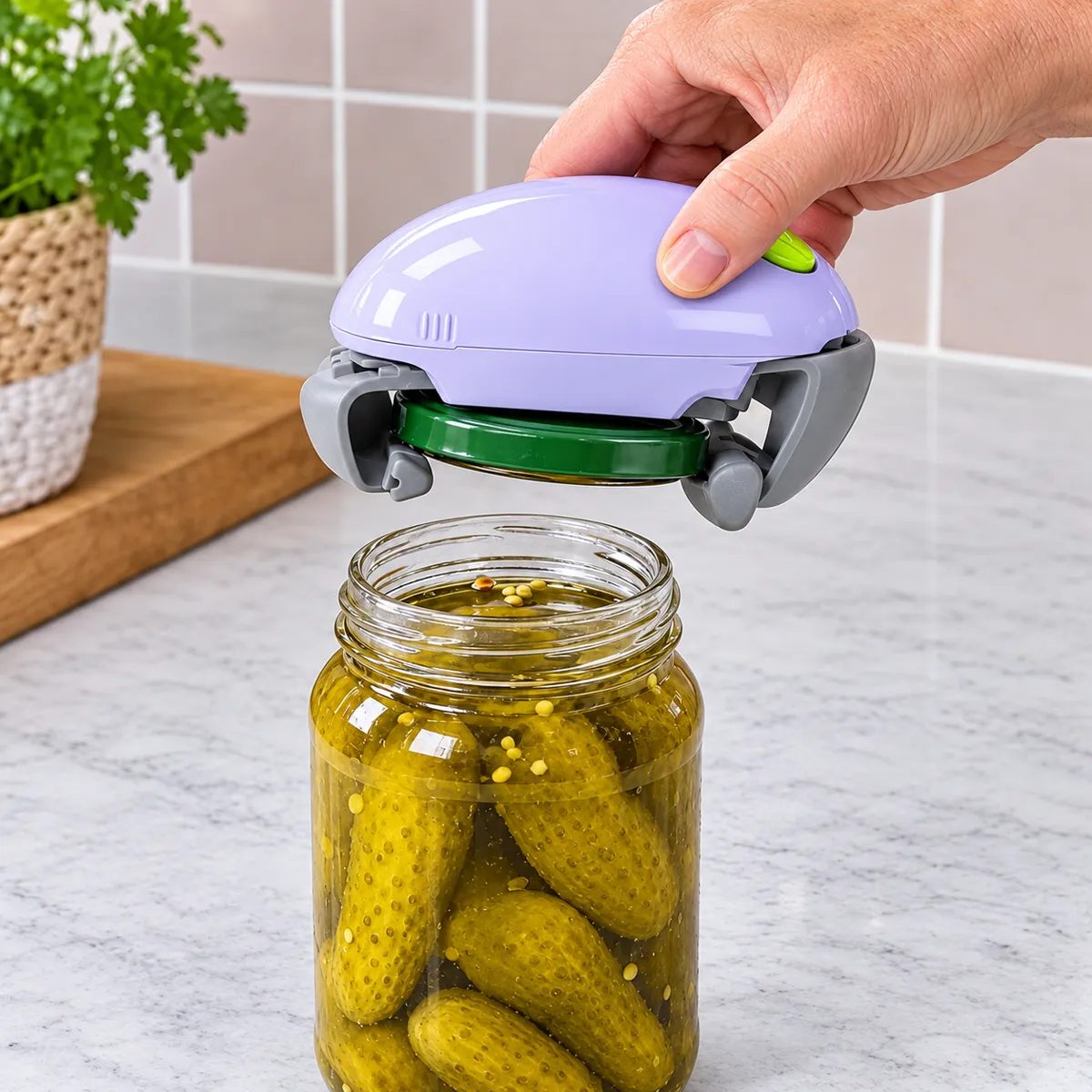
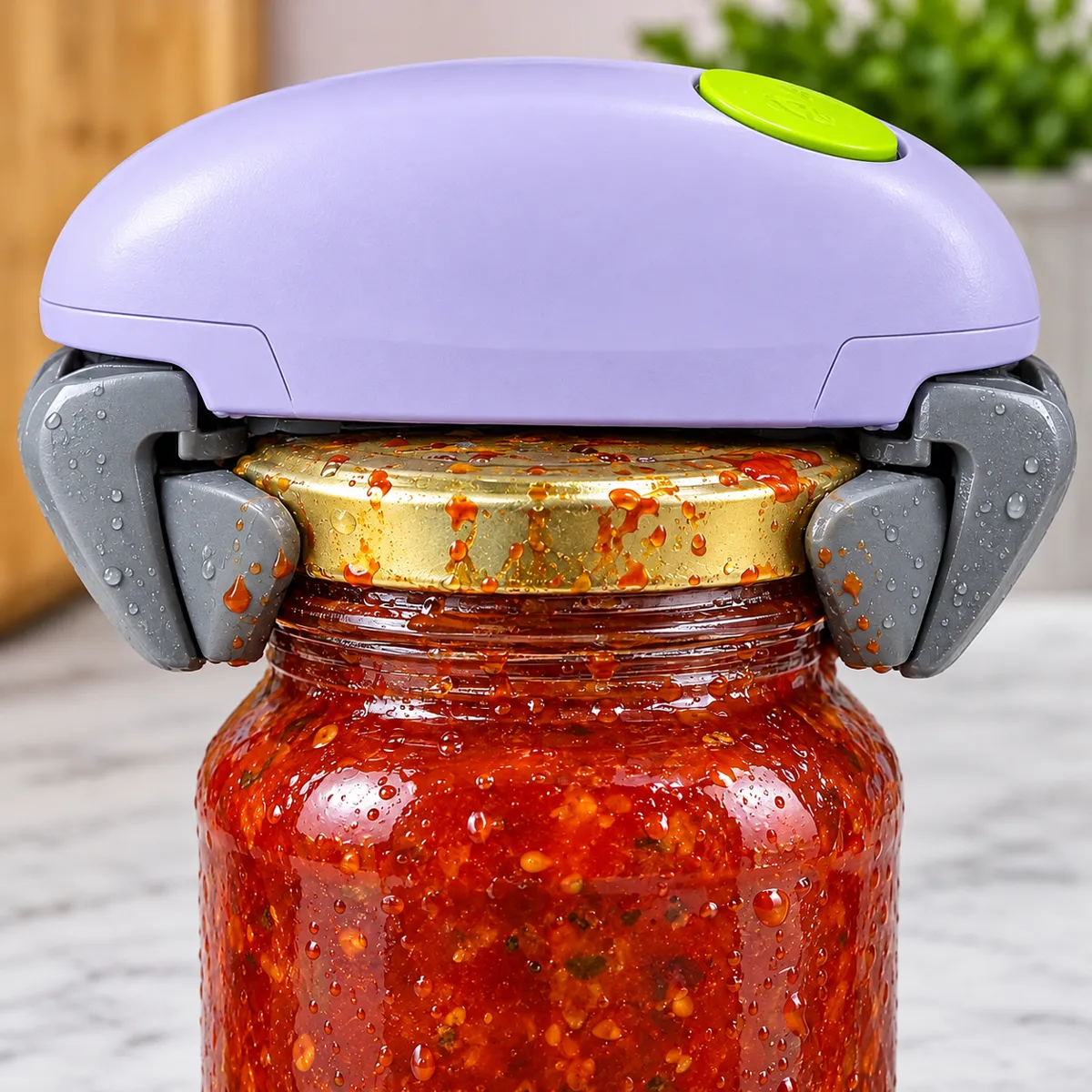
No gripPlace TwistFree on the lid and press one button; it grips and turns the lid for you in about 8 seconds.
Tip: For screw-top lids 3–9 cm.
Stop trying if…
- The glass is cracked or chipped
- Your hand, wrist or thumb hurts
- The jar keeps slipping
- The lid is bulging or the food smells odd
Why is the jar lid stuck?
A new jar may resist because of its vacuum seal. A previously opened jar can become difficult when food dries around the threads or the lid has been screwed on firmly. Wet hands and smooth metal can also make an ordinary lid feel impossible.
These problems call for different responses. Better friction may solve a slippery lid, but it will not straighten a damaged one. Before reaching for a tool, look at whether the lid sits level and whether the outside of the jar is sticky.
A jammed jar is not a test of strength. Repeated hard twisting can leave your hands sore without solving the problem. Begin with the least forceful option and change approach if it does not help.
Check these things before opening a tight jar
- Look for cracks, chips, leaking contents or damage around the rim. Do not try to open damaged glass with force.
- Do not eat from a food jar with a bulging lid or an unexpectedly raised safety button before its first opening.
- Put the jar on a dry, stable surface, away from the worktop edge. Keep children away while you are dealing with it.
- Check that it is an ordinary screw-top lid. These instructions are not for pressure containers or child-proof closures.
- Stop immediately if your hand hurts, the jar slips or you hear glass crack.
If glass may have entered the contents, discard the food. Do not strain it or pick out visible pieces. If you suspect spoilage, do not taste the food to decide whether to keep it.
How to open a jar that won't open: step by step
1. Clean and dry the outside
Wipe away grease, condensation and sticky residue from the lid and jar. Dry both thoroughly, along with your hands. For an already opened jar, gently cleaning accessible residue around the outside of the lid may make handling easier.
Keep the jar upright. Do not force a cloth or sharp object under the rim to scrape away food. Check the lid direction too: ordinary screw-top lids generally loosen anticlockwise when viewed from above.
2. Improve your grip without squeezing harder
Try a dry rubber washing-up glove, a rubber jar-opening pad or a dry tea towel over the lid. A non-slip mat beneath the jar can help stop the base moving. Keep your wrist comfortable and use a gentle turn.
A wide rubber band around the lid is another friction aid. Skip it if fitting it is awkward. If the jar still slips, stop rather than clamping it between your knees or against your body.
3. Warm an intact metal lid carefully
Briefly run comfortably hot tap water over the metal lid, keeping the water away from your hands as much as possible. Dry the jar and lid before trying again. Warmth may help loosen the lid or soften dried food near its edge.
Do not use boiling water, a flame, an oven or a microwave. Avoid sudden temperature changes, especially with a chilled glass jar. If you cannot hold it securely without scalding yourself, leave this step out.
Want less gripping and twisting? Take a look at TwistFree.
From £24.75 each · Free UK delivery · 90-day money-back guarantee
4. Choose a properly fitting opening aid
A manual gripper can give a better hold or more leverage. Check its instructions, fit it securely and avoid crushing pressure on the lid or glass. Extra leverage is not permission to keep forcing a jar that appears damaged.
An electric opener is an alternative for compatible jars. Check the lid diameter before using it. TwistFree opens screw-top lids measuring 3–9 cm and reduces the need to grip and twist. See our automatic jar opener guide.
5. Stop and reassess
After a gentle attempt, check the jar again rather than repeating the same movement harder. Is the lid bent? Is the glass still intact? Are your hands comfortable? A method that was safe at the start may no longer be suitable if something has changed.
Ask someone else for help with an undamaged jar if needed. Tell them what you have already tried, particularly any warming or tapping. Never pass on a jar that might have cracked without warning them.
What not to do with a stuck jar lid
Do not slide a knife or screwdriver beneath the lid. Either can slip, and levering against the rim can chip the glass. A teaspoon used to release a vacuum also carries this risk, so it is not our first recommendation for a stubborn lid.
Avoid hitting the jar against a worktop or striking its base. Common kitchen tricks can break glass, particularly when a jar already has unnoticed damage. Do not escalate from a light tap to a hard blow because the first attempt failed.
Never puncture a lid with a sharp tool to release pressure. Do not use pliers to crush or wrench it. The aim is to open an intact container safely, not to defeat the lid at any cost.
Opening a stuck jar with weak or painful hands
If you have arthritis, reduced grip or sore wrists, begin with assistance rather than leaving it until your hands are tired. Set the jar at a comfortable height and avoid long attempts. Pain is a reason to stop, not a sign that the lid is nearly loose.
A manual aid may help with slipping but still require a firm turn. An electric option reduces the need to grip and twist. It is not a treatment for arthritis, carpal tunnel syndrome or other causes of hand symptoms.
Read our guide to jar openers for arthritis for practical buying considerations. New, persistent or worsening pain, numbness or weakness should be discussed with a healthcare professional rather than worked around indefinitely.
Which approach makes sense?
| Method | Grip needed | Time | Best for |
|---|---|---|---|
| Rubber glove | Medium | 1 min | Slippery lids |
| Tea towel | Medium | 1 min | Quick fix |
| Hot water | Medium | 2 min | Sticky, sugary lids |
| Tap the lid | Medium | 1 min | Jammed threads |
| Spoon seal break | Low | 1 min | Vacuum-sealed jars |
| Rubber band | High | 1 min | Small lids |
| TwistFree electric | None | 8 sec | Weak or painful hands, every day |
Our manual versus electric comparison explains the differences in more detail. Choose around the jars you actually use and the movements you find comfortable.
Arthritis, weak grip or painful wrists?
Most tricks still need you to grip and twist. See our jar opener for arthritis guide or advice for older relatives.
Who this advice is for — and who it is not for
These steps suit adults dealing with intact, ordinary screw-top food jars. They may also help someone supporting an older relative to choose a more practical kitchen aid.
They are not suitable for cracked glass, swollen containers or closures designed to resist children. People with reduced sensation, poor balance or an uncertain grip should avoid hot water and methods involving impacts or levering. Asking for help is a sensible option.
What if the jar still will not open?
Leave it rather than repeating increasingly forceful attempts. If it was newly purchased and the lid appears faulty, contact the retailer about what to do next. Do not damage it further just to prove that it cannot be opened.
For an undamaged jar, another suitable opener may help, but no opener is right for every closure. TwistFree is not for crown caps, corks, child-proof caps or lids over 9 cm. Check suitability before buying rather than assuming every tight jar will fit.
Make the next jar easier
Before replacing a lid, wipe away food from the threads and follow the product's storage instructions. Close it securely without unnecessary force. Keep your chosen opening aid somewhere easy to reach, rather than at the back of a high cupboard.
TwistFree uses one button and opens compatible screw-top jars in about eight seconds. It weighs about 340 g, has no blades and includes two AA batteries. One costs £39, with free tracked UK delivery in 3–5 working days and a 90-day money-back guarantee.
See how TwistFree works, read customer reviews or explore our wider guide to how to open a jar. TwistFree is sold only on the official site.
Explore an easier everyday option for compatible screw-top jars.
From £24.75 each · Free UK delivery · 90-day money-back guarantee
What UK customers say
"I have arthritis in both hands and haven't opened a jar on my own for years. I cried a little the first time. Brilliant."
"Bought the 2-pack, one for us and one for my mum. She rang me to say she opened a pickle jar herself. Worth every penny."
"Small, light and lives in my drawer. Opens jam jars my husband struggled with. Delivery took 3 days."
Questions people ask
How do you open a jammed jar?
Run the lid under hot water, tap the edge on the worktop, then twist with a rubber glove.
Will hitting the bottom of a jar open it?
Sometimes, but it can crack the glass. Tapping the lid edge is safer.
Why won't my jar open?
Usually a strong vacuum seal or dried sugar and food in the thread holds the lid tight.
Does hot water help open a jar?
Yes. Hot tap water on the metal lid for about 30 seconds makes it expand slightly, so it turns more easily.
Does tapping a jar lid work?
Often. Gentle taps around the lid edge loosen sticky threads and can break the seal.
How do I open a jar without a jar opener?
Use a dry rubber glove or tea towel for grip, warm the lid under hot water, or lever the edge gently with a spoon handle.
How do I open a vacuum-sealed jar?
Break the seal first: lever the lid edge gently with a spoon until you hear a pop, then twist.
What is the best tool for stuck jars?
For weak hands, an electric jar opener like TwistFree, because it grips and turns the lid for you.
Get TwistFree today, up to 68% off
Free tracked UK delivery · Try it on your own jars for 90 days
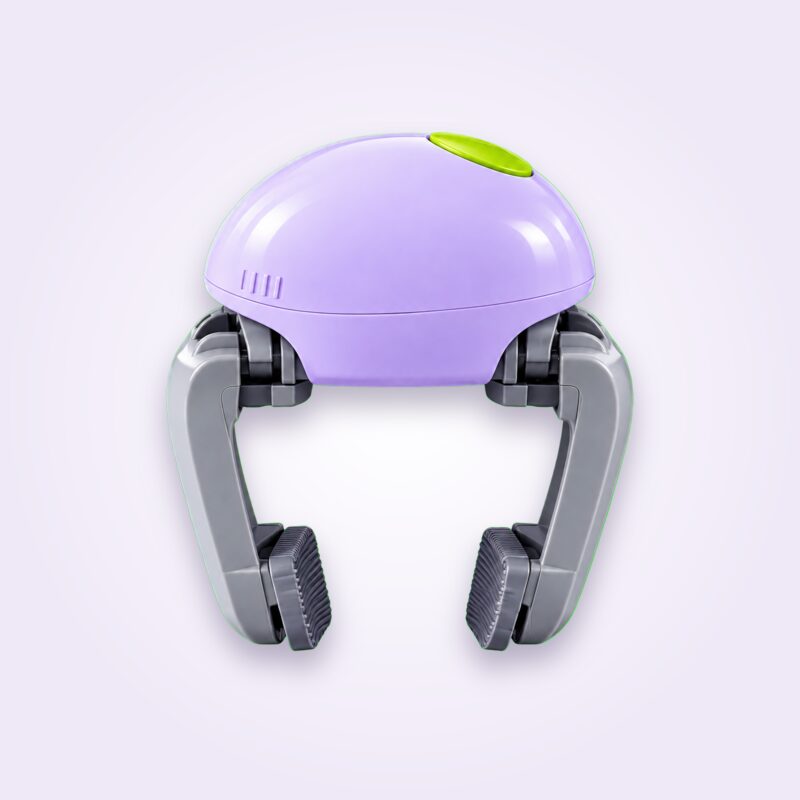 1 TwistFree£39.00 each
£39.00
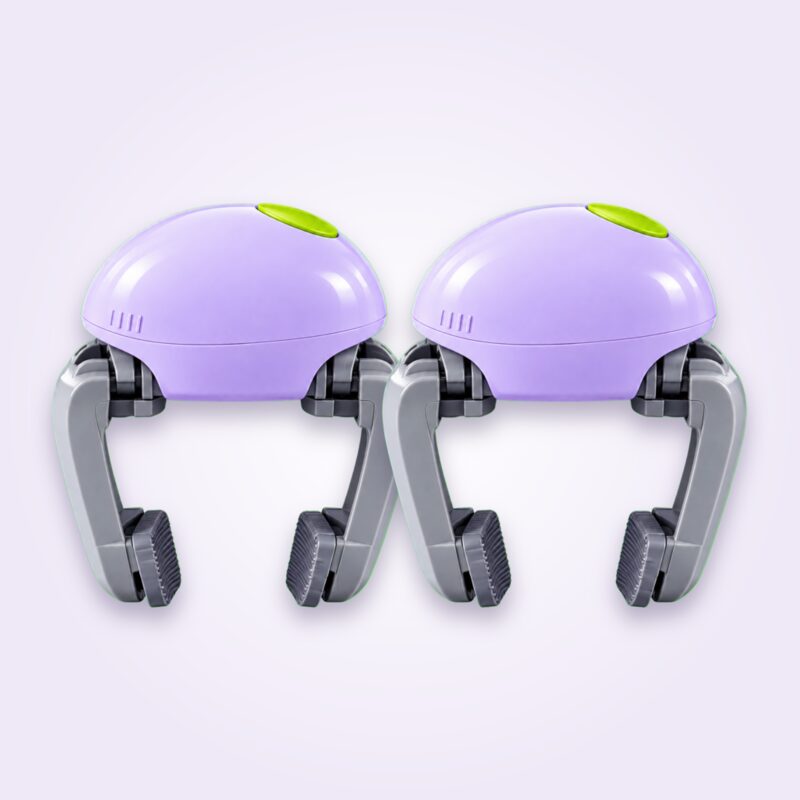 Most popular2 TwistFrees£29.50 each
£59.00
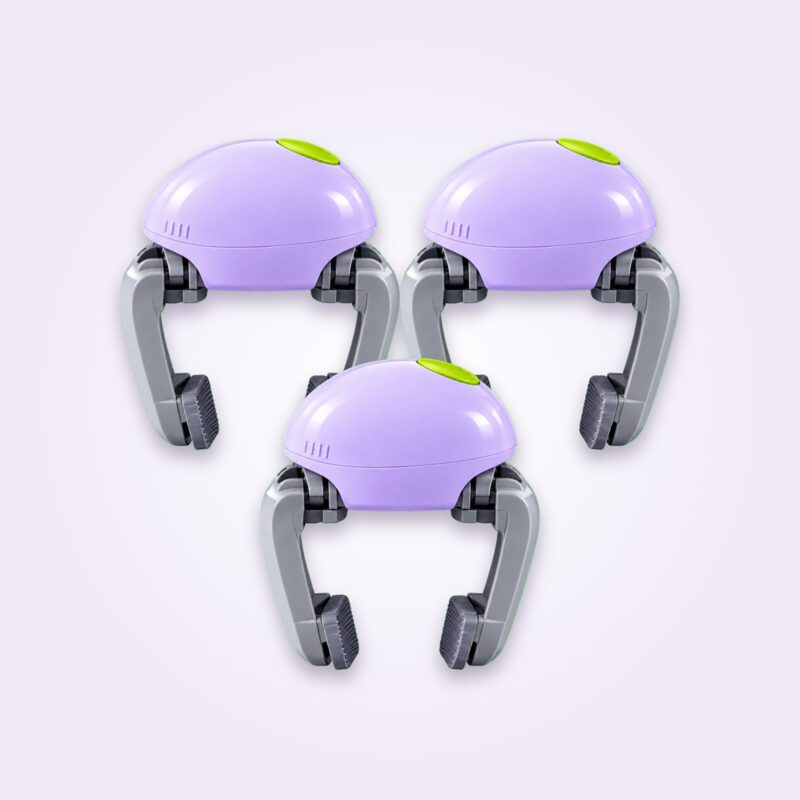 Best for gifting3 TwistFrees£26.33 each
£79.00
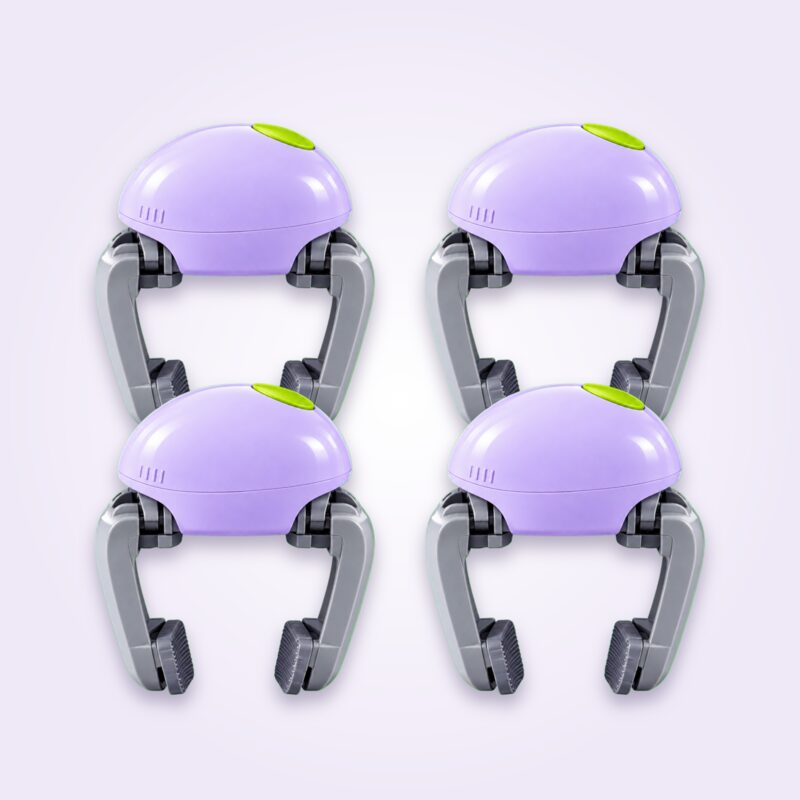 Best value4 TwistFrees£24.75 each
£99.00








Questions? Real UK support: support@twistfree.co.uk